Shaping Texture with Light and Shadow

Step into a world where illumination sculpts surfaces and shadows invite the eye to feel. Today we explore using light and shadow to accentuate tactile surfaces, turning grain, weave, and relief into vivid, touchable experiences. Expect practical setups, sensory cues, and creative thinking you can apply to interiors, product shoots, and everyday spaces. Bring curiosity, a reflector, and your fingertips as guides. Share experiments, subscribe for deep dives, and tell us what textures you most want to make come alive.

Angles That Reveal Hidden Relief

Set your key light to skim at five to thirty degrees across the surface, and watch obscure textures emerge like topography at sunrise. Small variations in height gain dimension, pores gain identity, and edges speak clearly. Move a few centimeters and feel the character transform.

Contrast Your Brain Reads as Touch

Our visual system fuses highlight, midtone, and shadow into a haptic impression. Strengthen edge contrast to suggest crispness, but avoid crushed blacks that erase detail. A white card for gentle fill preserves texture while keeping depth. Think of chiaroscuro not as drama, but as a careful, tactile alphabet.

Harnessing Sunlight Without Guesswork

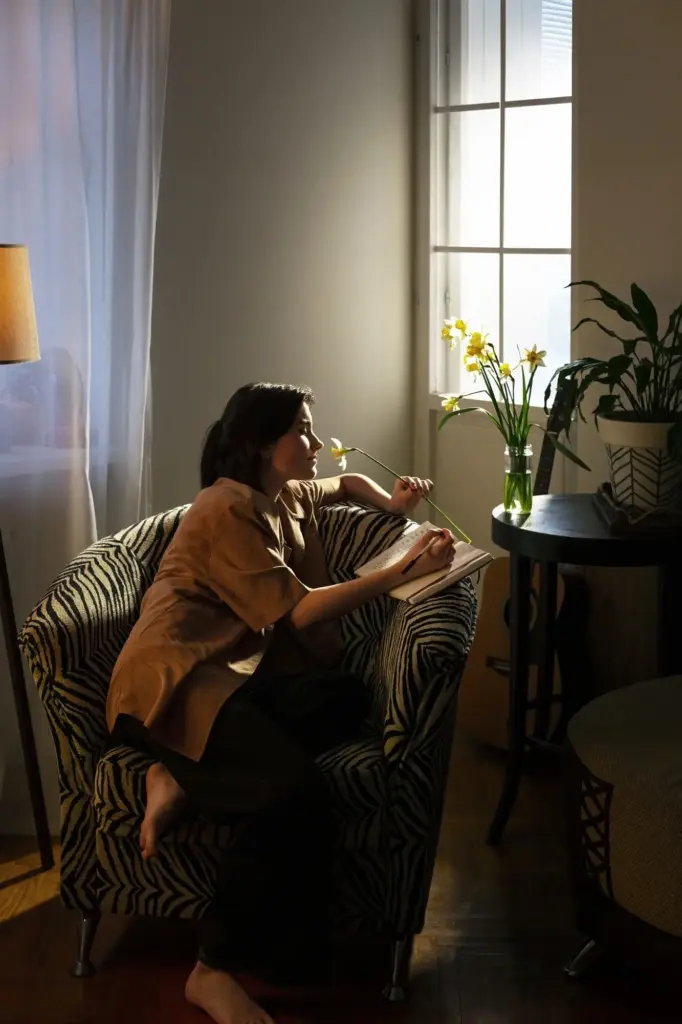
Daylight offers endlessly varied brushes for shaping surfaces if you learn its schedule. Track orientation, season, and weather to predict when walls, fabrics, or ceramics will sing. Diffuse, bounce, and subtract with curtains, reflectors, and flags. We share field-tested setups and a small anecdote about moving a clay vase three times in one morning to catch the perfect whispering gradient along its thrown rings.

Studio Setups That Carve Surfaces

In controlled spaces, precision builds character. Hard sources at oblique angles define pores and ridges; large, close sources describe soft pile or powder. Flags, grids, and negative fill tune depth without destroying detail. Practice the inverse-square law by moving lights, not sliders, until the surface feels honest. We will outline repeatable rigs for textured packaging, hand-thrown pottery, and weathered wood.

From Linen to Concrete: Material Playbook

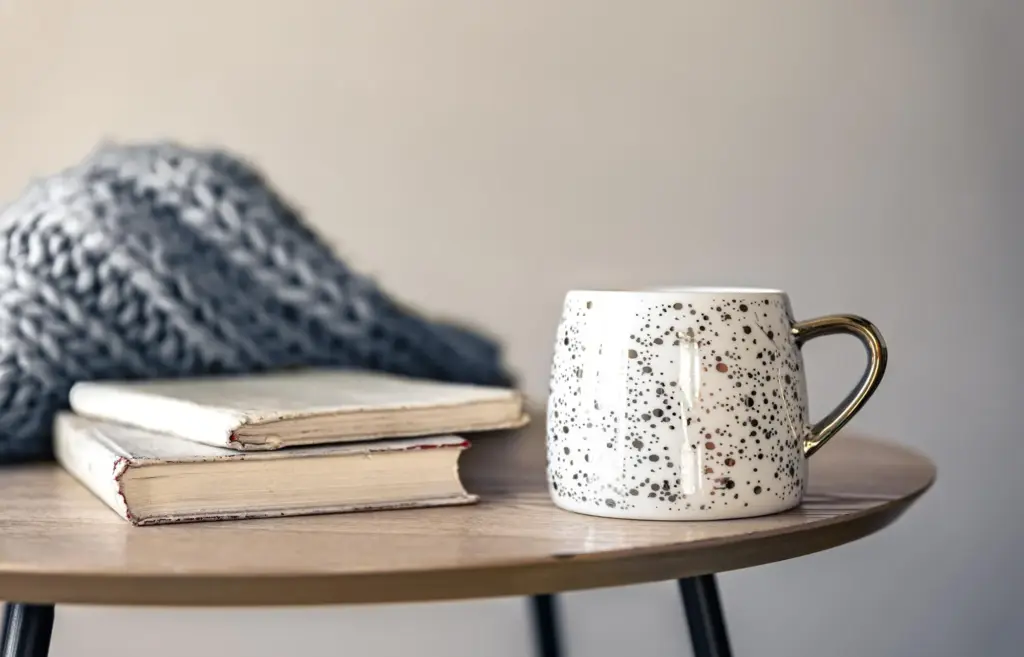
Each surface family asks for a different conversation with light. Threads want caress, grain appreciates a confident rake, and mineral textures reward disciplined shadow. Learn to read weave density, pore size, and binder sheen before lighting. We translate these cues into practical placements and modifiers so materials keep their character while gaining dimensional presence that feels truthful to sight and memory.

Color, Contrast, and the Final Polish

Finishing choices can either amplify the impression of touch or sterilize it. Calibrate white balance to keep materials truthful, then nudge tonal separation instead of smashing sliders. Prefer local, deliberate moves over global exaggeration. Your goal is to guide the eye’s fingertips across surfaces, honoring honest imperfections. We’ll share editing habits that respect texture integrity from raw capture through subtle print sharpening.

Use Negative Space to Let Shadows Breathe

Give relief room by simplifying backgrounds and allowing shadows to resolve. Cropping too tight can suffocate gradients and confuse scale. Compose with purposeful emptiness that suggests air between peaks, guiding attention to the tactile journey instead of visual noise that competes for focus.

Scale, Reference, and Storytelling Props

A coin beside pitted concrete or a hand near velvet immediately calibrates expectations of roughness and yield. Choose props that tell truth about context, then position them to echo lighting direction. The result is a scene the viewer can almost weigh and physically navigate.
Lumavexonovipalonari
Privacy Overview

This website uses cookies so that we can provide you with the best user experience possible. Cookie information is stored in your browser and performs functions such as recognising you when you return to our website and helping our team to understand which sections of the website you find most interesting and useful.