Feel Your Space: The Power of Texture-First Home Styling

Today we explore Texture-First Home Styling, a feel-forward approach that lets surfaces, fibers, and finishes lead your design decisions. Instead of buying more stuff, you’ll layer tactile contrasts—coarse and smooth, matte and lustrous, nubby and sleek—to shape mood and flow. Expect practical steps, stories from real homes, and material tips that respect budget and sustainability. Bring curiosity, your hands, and maybe a swatch or two; then share photos, questions, and wins so our community can learn alongside your evolving, beautifully touchable space.

Foundations You Can Touch

Start with the big gestures that quietly shape everything else: floors, walls, and the largest pieces of furniture. By prioritizing texture first, you create a sensory map that guides color, lighting, and decor. A reader named Maya swapped flat paint for mineral-rich limewash and said her small apartment felt instantly deeper, calmer, and brighter as light started moving differently across the layered surface.

Layering Like a Stylist

Think of layering as composing a tactile chord. Start with a base note—floor and wall texture—then add mids—sofa fabric, drapery—before finishing with high notes like pillows, trays, and art frames. Good layers balance contrast and continuity. You need a few soft edges, a few structured lines, something matte, something with sheen, and always one material that tells a personal story you can touch.

Materials That Tell Stories

Natural Fibers That Breathe

Linen releases heat, cotton comforts, wool insulates, and hemp endures. Mix them thoughtfully for four-season ease. Try linen covers for summer cushions, then swap to wool in winter without changing form. A reader with allergies found tightly woven cotton slipcovers trapped less dust than chenille, while textured throws offered variety without heavy shedding. Breathing fabrics mean flexible comfort and quieter maintenance overall.

Metals That Mellow

Unlacquered brass, bronze, and copper evolve with touch, shifting from showroom shine to lived-in glow. Pair a brushed-brass lamp with matte ceramics to avoid glare. One kitchen makeover replaced polished chrome pulls with warm brass; early fingerprints became soft patina within weeks, echoing the veining in soapstone counters. Texture-first styling welcomes this journey, inviting time to collaborate, not merely pass through.

Stone, Clay, and the Comfort of Weight

Weighty materials ground busy lives. Soapstone is forgiving, marble is luminous, and terracotta offers humble warmth underfoot. Even a single clay bowl can recalibrate a glossy vignette. In our studio tests, a honed-stone tray reduced visual clutter on a glass table by adding friction and quiet shadow. Tactile mass signals stability, gently slowing routines and encouraging unrushed, attentive rituals every day.

Rooms Reimagined by Touch

Translate tactile intent room by room to solve real problems. Where conversation falters, soften echoes. Where routines rush, add grip and warmth. Where light glares, use matte finishes and diffusing weaves. A family living room gained intimacy after swapping a shiny rug for flatweave wool and adding textured drapery; suddenly stories carried, board games lingered, and weekend mornings stretched into something restorative.

Seasonal Switches Without the Stuff

Warm Months: Airy Weave, Cool Touch

Lean into open weaves, crisp percales, and bare floors where possible. Replace heavy velvets with gauzy cotton or linen, and consider roll-up bamboo shades that filter sun like a leaf canopy. A reader in a humid climate reported that switching to waffle-knit towels and linen bedding reduced stickiness and improved sleep. Airflow through fabric is a quiet, effective cooling system you can feel.

Cold Months: Dense Pile, Deep Comfort

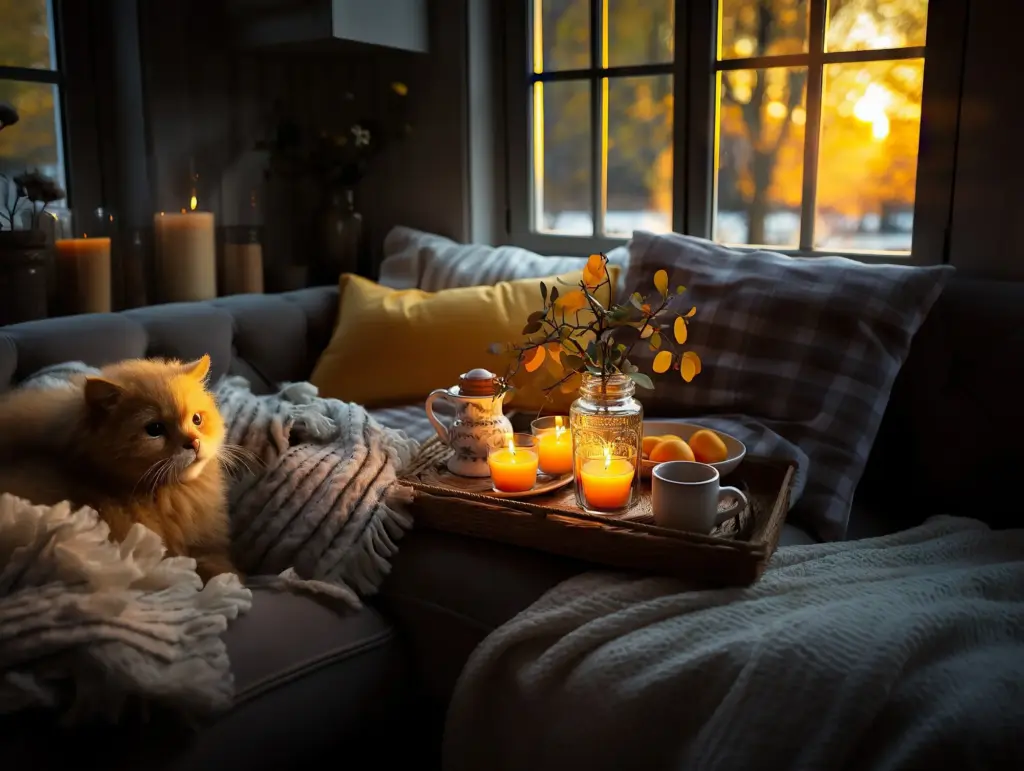
Introduce heavier textures that trap warmth and soften sound. Wool rugs, boucle throws, and flannel sheets nudge bodies toward rest. Swap glass accents for rustic ceramics that hold heat from tea. In a drafty rental, a pair of lined, textured drapes made movie nights cozier than any extra gadget. Dense fibers act like friendly insulation, inviting unhurried evenings and soothing, winter-friendly rituals.

Year-Round Swaps That Earn Their Keep

Choose flexible pieces that transition easily: reversible throws, slipcovered cushions, and modular floor mats. Keep a small closet shelf for seasonal covers only, not duplicate objects. Because you’re tuning texture, not accumulating trinkets, maintenance simplifies. Our readers consistently report spending less time decorating and more time enjoying daily routines, as every purposeful change is felt immediately, validating the decision without visual noise.
Light-Catching Layers for Tiny Rooms

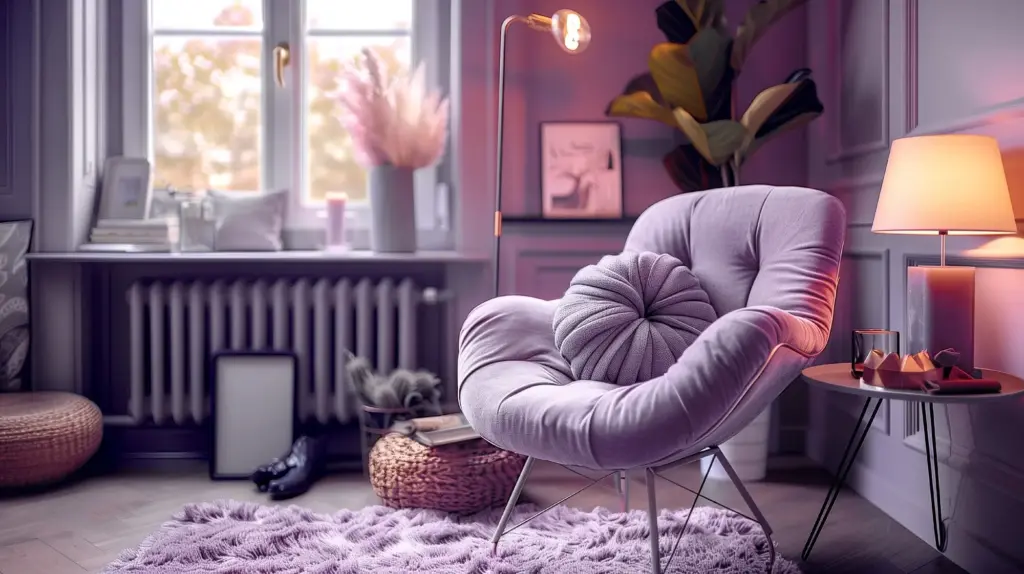
Use finely textured sheers to diffuse daylight, then ground the room with a low-sheen rug that absorbs bounce. A satin-finish side table beside a matte lamp base creates a subtle glow line without reflections. One studio dweller swapped a glossy bookcase for a ribbed wood cabinet and watched the space visually exhale, because shadow play replaced flat glare, guiding calmer, more focused movement.

Multitaskers That Add Feel, Not Bulk

Select pieces that work hard while enriching touch: a storage ottoman in felted wool, a rattan bench with baskets, or a cork-topped side table that doubles as a stool. In a micro-loft, cork’s warm grip prevented cup slides, reducing spills. When material choices serve multiple functions, you own fewer items, yet gain more comfort, because each surface participates in daily rituals generously.

Rhythm and Repetition You Can Sense

Repeat one confident texture across zones to create flow: woven cane on cabinet fronts, a similar weave on dining chairs, and a related basket near the entry. Repetition calms the eye and frees the hand to notice nuance. Our community often notes anxiety drops when patterns echo rhythmically, because movement becomes predictable, storage appears intuitive, and rooms feel choreographed without feeling staged or stiff.

Care, Patina, and Longevity

Texture-first spaces thrive when cared for thoughtfully. Gentle cleaning preserves fibers and finishes, while strategic acceptance of patina turns maintenance into partnership. Learn what can be spot-cleaned, what needs professional help, and where a scar adds soul. The longer you live with honest materials, the richer your home reads, telling guests your life is lived, not merely arranged for a fleeting moment.
Lumavexonovipalonari
Privacy Overview

This website uses cookies so that we can provide you with the best user experience possible. Cookie information is stored in your browser and performs functions such as recognising you when you return to our website and helping our team to understand which sections of the website you find most interesting and useful.