Rooms That Breathe With the Seasons


Sensing the Season Indoors

Building a Seasonal Capsule for the Home
Patterns That Play Nicely
Mix pattern families by scale rather than volume. Pair a narrow stripe with a relaxed block print, then add a floral that borrows one quiet color from the stripe. Keep at least one large solid to separate busy neighbors. Consider geometry and flow: linear patterns energize; rounded motifs soothe. When in doubt, choose two patterns plus one texture, then trial a fourth accent on a tray before committing. This prevents chaos, sharpens personality, and ensures your seasonal adjustments feel confident rather than experimental or haphazard.
Textures That Tell a Story
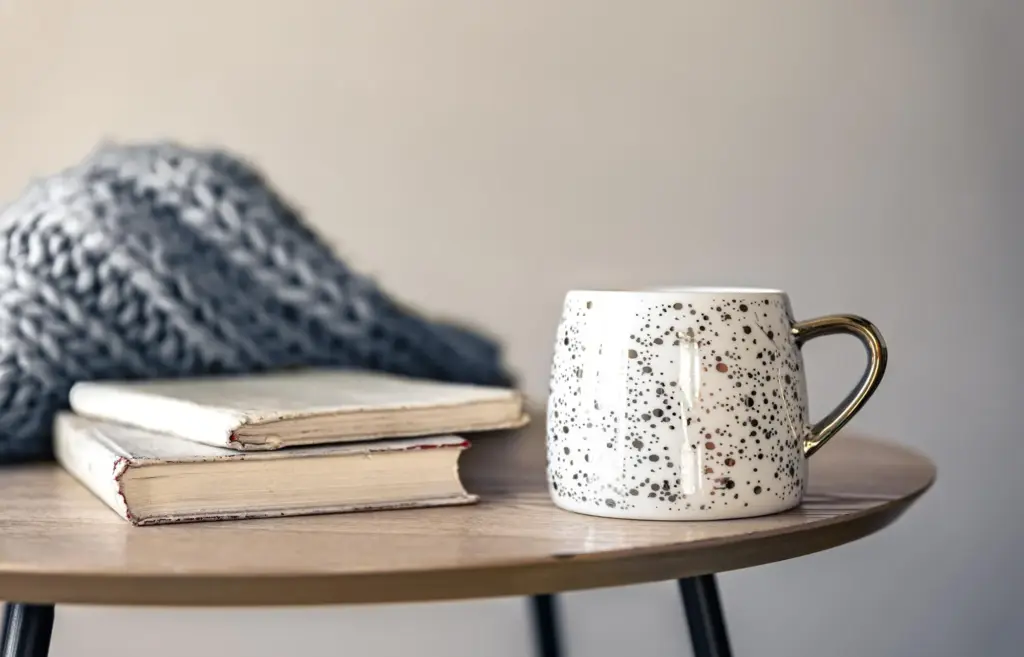
Texture is narrative you can touch. Slubby linen feels like an open window; bouclé suggests fireside conversations; crisp percale reads practical and breezy. Combine opposites for depth: sleek leather beside nubby wool, polished wood near chalky plaster, airy voile against dense velvet. Change weight rather than color to signal seasons subtly. Even one unexpected layer—a knotted throw over a tailored arm—adds humanity. When textures converse, rooms gain a heartbeat, welcoming bare feet in July and wool socks in January with equal grace.
Rugs, Runners, and Underlays
Treat the floor like a canvas with seasons as chapters. Begin with a durable natural base—sisal or jute—then float a vintage kilim for spring brightness or a low-pile Persian when nights cool. Use quality underlays to prevent slipping, ease vacuuming, and add insulation without visible bulk. In high-splash kitchens, narrow indoor–outdoor runners deliver pattern and resilience. Rotate by quarter to reduce wear lines and sun fade, and photograph layouts you love to replicate quickly next year, saving time while safeguarding fibers and edges.
Surfaces With Character
Finish Mixology
Walls That Whisper
Season-By-Season Playbook
Small Spaces, Big Changes